ATS vs Traditional Resumes: What You Need to Know
Understanding ATS vs Traditional Resumes
The job market is competitive. Knowing the difference between ATS and traditional resumes is crucial for job seekers. This guide breaks down how ATS works, the advantages of ATS-friendly resumes, and effective strategies to optimize your application.
ATS-Compliant Resumes
Many resumes never pass through ATS. Recruiters miss out on qualified candidates due to poor optimization. Building ATS-compliant resumes is essential to increase your chances of being noticed.
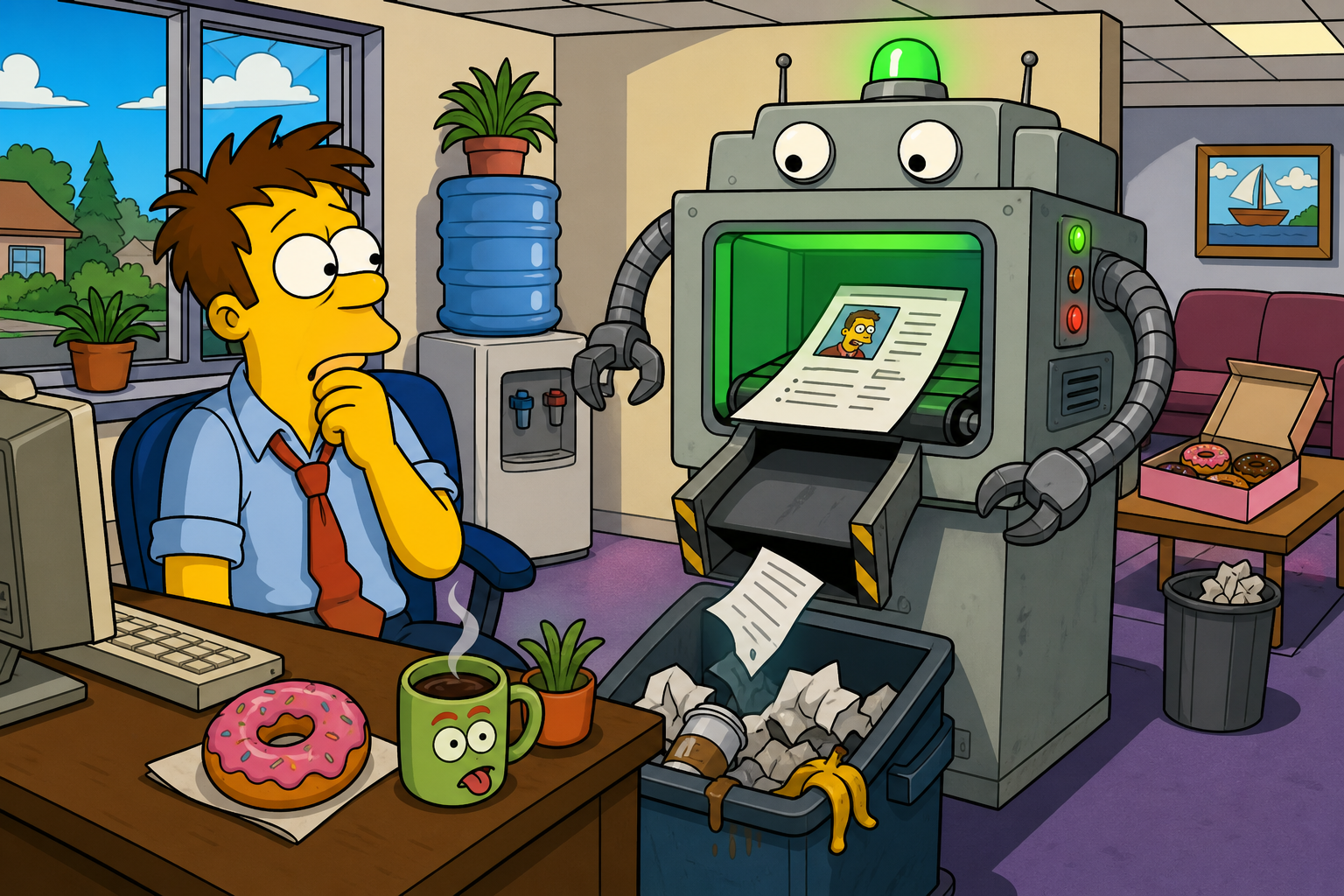
Key Takeaways
- ATS resumes focus on keyword optimization and clear formatting.
- Tailoring your resume for each application improves relevance.
- Highlighting measurable achievements demonstrates impact.
- Simple layouts ensure ATS can accurately read your resume.
- Avoid common mistakes like using complex formatting or sending generic resumes.
Effective Strategies for ATS Success
Want to improve your chances of landing interviews? Implement these strategies:
- Tailor Your Resume: Customize your resume for each job application using relevant keywords from the job description.
- Focus on Measurable Outcomes: Highlight your achievements with quantifiable results to illustrate your impact.
- Use Clear Formatting: Stick to a simple layout with standard fonts for optimal ATS readability.
What Is an ATS Resume?
An ATS resume is designed to work with Applicant Tracking Systems. These systems filter applications based on keywords and key details, determining which candidates are a good fit. A well-structured ATS resume increases your chances of getting in front of human recruiters.
How to Format Your Resume for ATS
Proper formatting is key. Follow these tips:
- Use a simple layout; avoid complex designs.
- Stick to standard fonts like Arial or Times New Roman.
- Avoid hidden text, as it can lead to disqualification.
Common ATS Mistakes to Avoid
Watch out for these pitfalls that can hurt your chances:
- Ignoring knockout questions can disqualify you immediately.
- Complex formatting can confuse ATS.
- Sending generic resumes misses opportunities; always tailor your application.
Balancing Traditional and ATS Strategies
Traditional resumes still hold value. They allow for personalization and storytelling. Use them in networking or roles where creativity is valued, but balance them with ATS strategies for maximum effectiveness.
How AI Tools Can Help
AI tools can enhance your resume optimization. They analyze job descriptions, suggest targeted changes, and improve ATS compatibility. Using AI can save time and ensure your resume meets current standards.

Frequently Asked Questions
What are the main differences between ATS and traditional resumes?
ATS resumes focus on keywords and clean formatting, while traditional resumes allow for storytelling and personality. Use ATS formats for automated screenings and traditional ones for networking or creative roles.
How can I ensure my resume is ATS-friendly?
Keep the layout simple, use standard fonts, and tailor each resume to the job description. Incorporate relevant keywords naturally and avoid hidden text.
Can I use AI tools to improve my resume for ATS?
Yes, AI tools can analyze job descriptions and suggest edits, helping you integrate keywords effectively and improve ATS performance.
Ready to Optimize Your Resume?
Try Shvii AI TodayKeep going
Useful next steps from this article — tools to apply the advice, plus related career guides.
Tools
Related career guides
Customer Success Manager Career Guide
How to show impact when you do not carry a quota. The hardest resume problem in go to market.
Account Executive Career Guide
Quota, attainment, and deal size. The sales resume is its own genre with its own rules.
Business Analyst Career Guide
The bridge role between business and engineering, and the bridge into both from elsewhere.